Businesses depend on connected devices heavily to gather data, automate processes and run smarter operations. The management of a large number of devices across multiple locations, especially when they expand, can become overwhelming. From the software updates and monitoring to security compliance and optimization the device’s operations require constant attention and technical expertise. A structured managed service can help to make complex issues clearer.
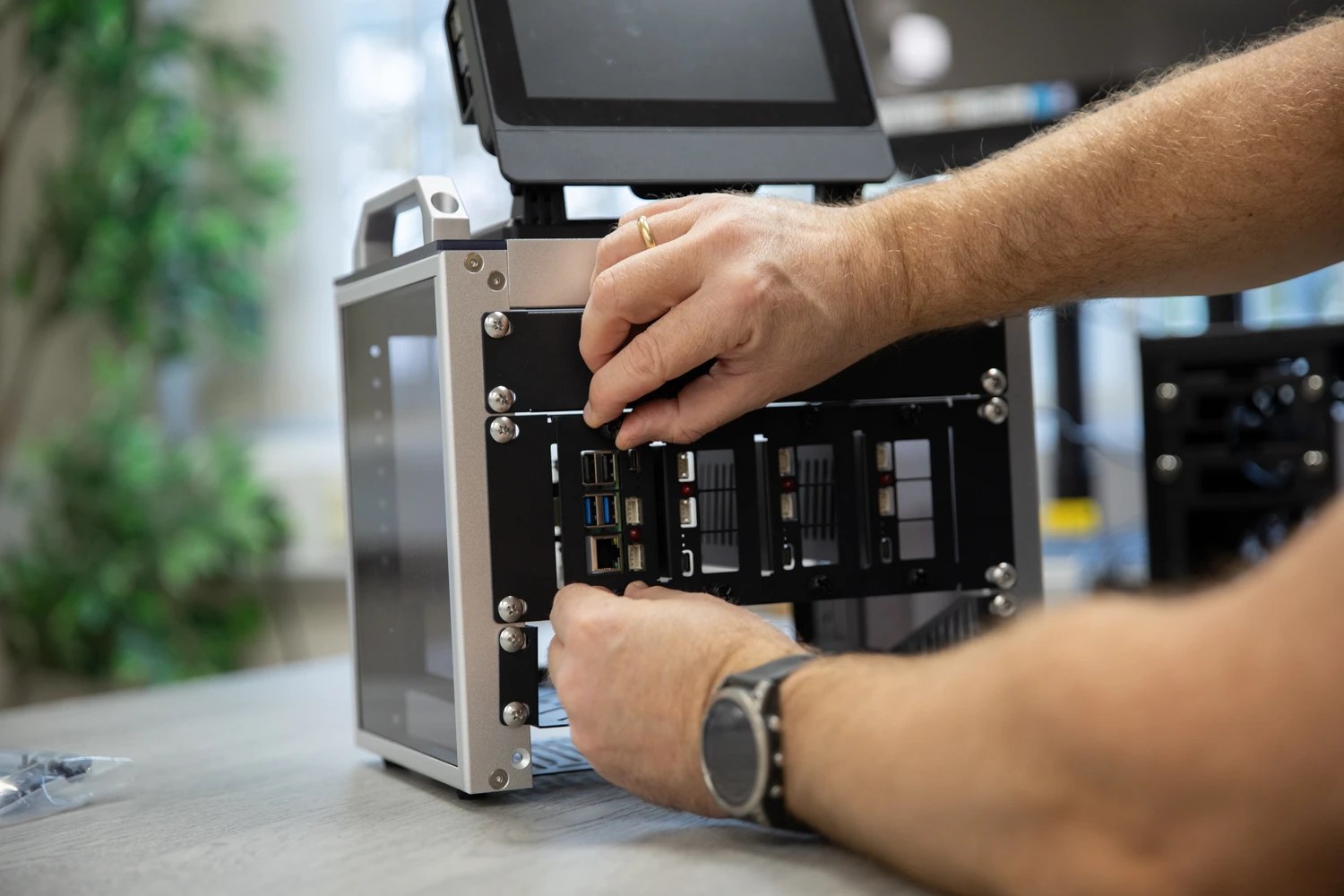
Many organizations begin by searching for a free Raspberry device management software in order to save money upfront. Free tools may offer basic monitoring and remote accessibility however they don’t offer the lifecycle management that is required for deployments in the enterprise. With the expansion of device networks, businesses need more than dashboards and manual controls. They require an integrated platform that handles provisioning, security hardening monitoring of performance, and compliance reports automatically and consistently.
Internal staff is relieved of their daily operational burden by a fully managed infrastructure. Instead of dealing with issues with devices, patching systems, and responding to issues, companies can concentrate on innovation and growth. A framework that is unified is used to set up, deploy, and maintain each device which ensures reliability and consistency. This operating model doesn’t only minimize downtime, but also eliminates security vulnerabilities which typically result from unintentional updates or inconsistencies in configurations.
A Partnership Model that is Built to Scale
IoT ecosystems rarely succeed when constructed in isolation. They require the strategic planning of a smart architecture and continuous improvement. When you work with an Raspberry Pi design expert, you can ensure that your hardware selection as well as the architecture and software you choose are aligned with your operational goals. Instead of treating the deployment as an one-time task this partnership builds an agile foundation that can grow as the company grows.
Each managed service engagement adapts to the specific environment of the client, covering devices management, hardware integration platforms, and technical support within a single operational agreement. This approach unifies the work of suppliers and simplifies communication. Businesses now have named technical contact, agreed service level agreements and clear reports that keep all parties well-informed.
To ensure uniformity of devices throughout the world, procedures for provisioning and configuring are made standard. Before deployment, every unit is assembled and tested. Then it is enrolled to ensure consistent performance. Continuous telemetry offers real-time insights on device health and app stability. Engineers can identify issues and stop system failures before they escalate.
Operational Excellence Through Continual Management
The most important factor to ensure stable IoT environment is proactive maintenance rather than reactive troubleshooting. Managed patches and updates ensure that applications and operating systems remain safe. Prior to deployment, all updates are rigorously checked to ensure there are no interruptions.
The operational workflow is also a part of the requirements for compliance. If organizations have to meet ISO standards, SOC2 frameworks, or internal governance policies, reporting mechanisms are aligned with regulations. This framework eases the burden of audits, and increases security measures.
Performance optimization and lifecycle planning enhance the value of managed services. Regular system checks identify opportunities for upgrades to hardware as well as improvements in energy efficiency and workload the balancing. Instead of waiting until devices fail or become obsolete, the infrastructure is designed to be built in tandem with the growth of the organization.
Seamless Integration with Cloud and Edge Technologies
Modern deployments typically require an incredibly tight integration between the devices at the edge as well as cloud-based ecosystems. Expert Azure IoT support can help enterprises connect their devices to cloud platforms and optimize data pipelines, analytics workflows, and automation capabilities. The synergy of physical infrastructure and cloud intelligence provides better decision-making and greater operational flexibility.
Professional IoT consulting also ensures that monitoring platforms, security protocols, and data governance frameworks work cohesively. Engineers are monitoring system performance throughout the day and can respond to issues prior to them disrupting operations. Support options that are scalable let companies grow in the knowledge that they have the technological skills required as their devices’ fleet expands.
Simply put, the goal is to make advanced edge technology feel natural. Scaler PI helps make it much easier for the use of edge technology by blending practical expertise in hardware and cutting-edge cloud innovation. This creates a smooth, unified environment where devices interact seamlessly with data and operations.
Manage Device Infrastructure Smarter
Managed services provide the single source of accountability in design, hardware and monitoring. The ability to predict pricing eliminates budget unexpected costs, and continuous monitoring and automated updates decrease operational risk. Businesses can rest easy knowing that their infrastructure is in compliance and running at its peak.
As IoT ecosystems continue to grow as they expand, the need for secure operating frameworks is going to become more essential. A managed service will ensure that the networks of devices are secure effective, efficient, and future-proof. This allows businesses to innovate, without being hindered by the management of infrastructure.