Many people don’t think much about the tank that is in their home however, ensuring that it is functioning properly and safely is vital to your home’s infrastructure. The property owner is responsible to maintain and repair their heating system, as well as the oil storage container. Neglecting this responsibility can result in substantial environmental and financial harm in the near future.
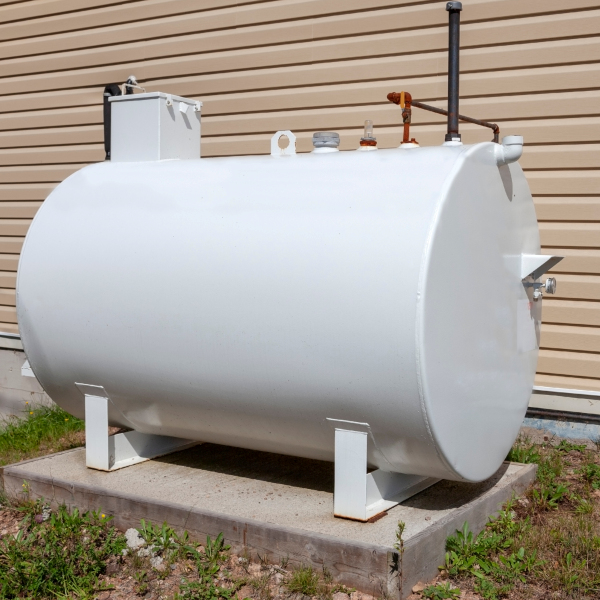
The decision of when to replace an oil tank is one of the most important factors to take into consideration in the field of maintenance. Although proper maintenance will prolong the life of an oil storage tank It is a given that all tanks need to be replaced. The cost of replacing an oil tank will depend on several factors, like the type and size of tank, the location, as well as how complicated the installation.
The most widely used size for oil tank that is used for residential homes is 275 gallons oil tank replacement cost.The price of replacing the oil tank 275-gallon ranges from $1,500 to $3,600 based on the aforementioned factors. The cost may not cover specific costs like labor, permits and the disposal of the old tank.
The expense of oil tank replacement can seem daunting It’s nevertheless important to take into account the potential cost of not taking care to fix a damaged tank. A leak inside an oil tank can result in major environmental damage, as well as fines and legal responsibility for the owner of the property. In addition, a failing tank could lead to a loss of heat in the cold winter season, which is hazardous and expensive to repair.
To reduce the potential cost, it’s important to ensure regular maintenance and inspections for your oil tank. This is a must for annual inspections, along with regular cleaning and monitoring for leaks. It’s essential to resolve any issues as quickly as possible in order to avoid costly repairs in the future.
When it comes time to select an oil tank replacement, there are many options to choose from. Underground and aboveground tanks are the most commonly used kinds. Above-ground tanks are generally smaller in cost and easier for installers to install however they can appear more intrusive. Installing tanks below ground can be more expensive, but they offer a more discrete appearance.
To ensure a safe installation, it’s essential to select an established company and experienced in the field of replacement for oil tanks. An experienced professional will not only ensure that the tank is installed correctly, but will take care to properly dispose of the old tank as well as any dangerous materials used in the installation.
There are additional things property owners can take care of along with regular maintenance and proper installation to extend the life span of their tanks. These include:
1. A full tank will prevent corrosion from occurring.
2. High-quality fuel is recommended: This helps prevent sediment from building up inside the tank. This can cause corrosion and blockages in the fuel line.
3. Keep the area around your tank clean: By keeping the area clear of dirt, you’ll keep your tank safe from harm. You’ll also find it easier to check and maintain.
4. Regularly checking for leaks can help you identify problems in the early stages, before they grow and become expensive to repair.
Any property owner who has an oil-fired system must consider replacing the tank. The cost of replacing a tank can be different based upon a range of variables. However, ignoring a tank that is failing can cause a significant economic and environmental damages. Making sure you are on top of regular checks and maintenance, as well selecting a reliable and skilled installer, will help ensure a safe and proper installation that will provide steady heating for many years to be.
For more information, click oil tank replacement cost