Septic system cost is an important consideration for property and home owners who reside in New Hampshire when it comes to replacing or installing a new septic system. The Granite State has many advantages but it also has some disadvantages. One of these is the possibility of expensive maintenance costs because of unpredictable weather and a steep terrain. Fortunately, understanding how much you’ll have to shell out for septic system installations or replacement can help you budget accordingly and make sure that you have everything included in the process of completing this vital home improvement task.
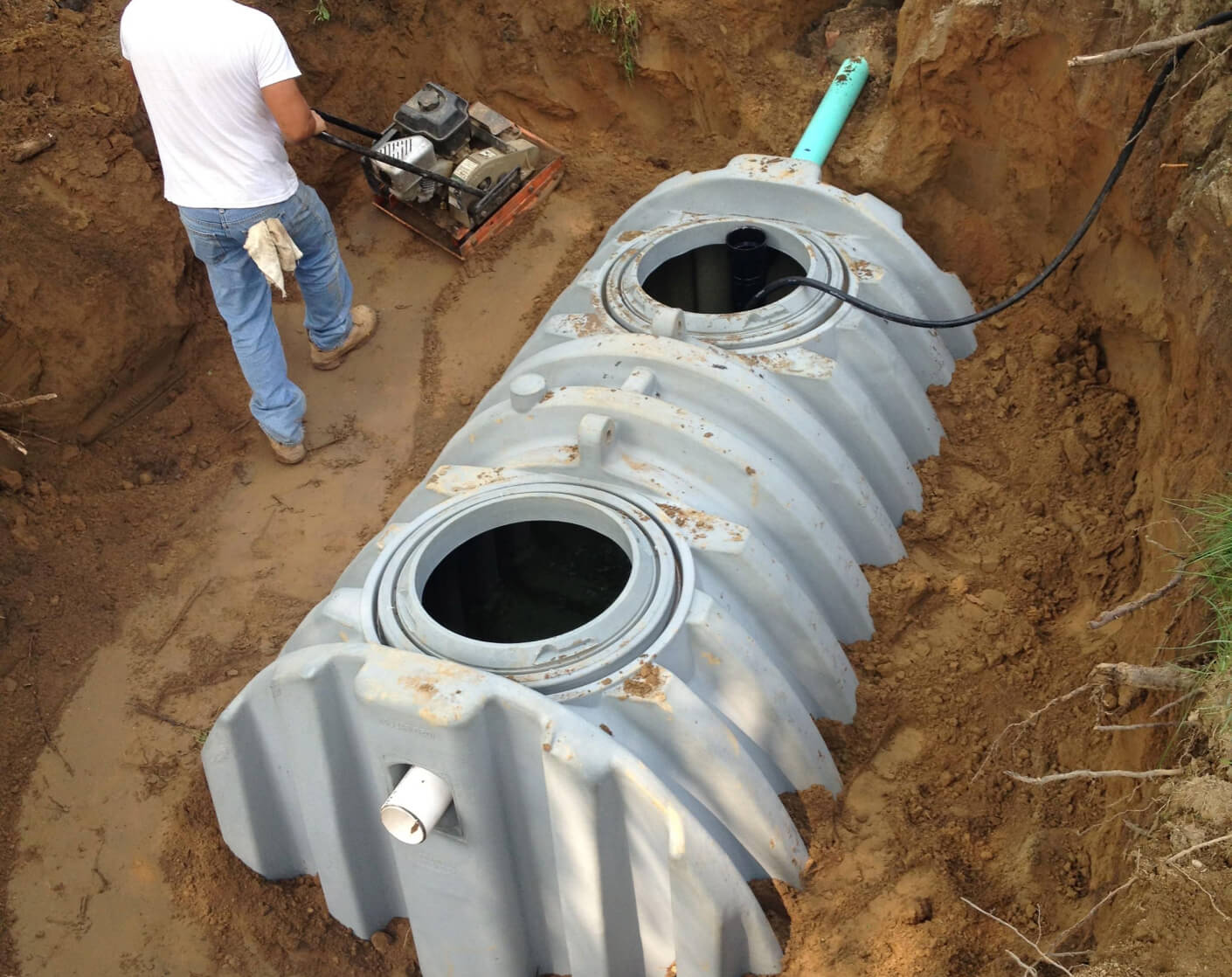
Septic systems are a way to process the wastewater that is leaking in New Hampshire. They are particularly prevalent in rural areas where there are no municipal sewers. However, cost to install septic system can vary depending on several factors, such as the size of the property, the soil condition, and the type of system chosen.
Septic system installation cost
Costs to install the New Hampshire septic system can vary from $5,000 to $15,000 depending on the soil size, type and type of system. The average cost of an ordinary septic system is approximately $8,000.
The most common septic systems have an leachfield and tank. The size of the tank and leach field is contingent upon the amount and estimated daily usage of the water you use in your home. More spacious properties or greater consumption of water will need an even larger tank and leachfield and will cost more for the installation.
The condition of the soil is a different factor that can impact the cost of septic systems installation in New Hampshire. It is possible to dig and prepare the soil in the event that it is hard or saturated by water. This could add to the cost.
Cost of replacing a septic tank
Septic systems last between 20 to 30 years. The cost to replace the septic system in New Hampshire can range from $10,000 to $30,000 or more, according to the size of the property, the kind of system used and the soil’s condition.
The cost of replacing a sewer system tend to be higher than that of constructing one due to the procedure of taking away an existing system before replacing it with a new system. Furthermore, the price of replacing a septic tank can vary depending on how accessible the property is and the amount of excavation and work required.
Cost of maintaining a septic system
Septic system maintenance is essential to ensure the system works efficiently and lasts for as long as possible. Regular maintenance involves pumping out the septic system once every 3 to 5 year and checking it for signs of obstructions or damages.
The cost to maintain a septic tank in New Hampshire can be affected by the size and area of your property. An average homeowner can expect to spend between $400 and $600 for septic inspections and pumping.
How to save money on Septic system costs
There are many ways to save money when it comes to the costs of a septic system. Here are a few tips to help you save the cost of the cost of a septic system in New Hampshire.
Select the best kind of system. Septic systems come in various forms, including gravity-fed, pressure distribution, and aerobic units. Installation and upkeep is reduced if you choose the best system for your water usage and property.
Regular maintenance will help you avoid costly repairs or replacements in the future. Be sure to schedule regular septic tank pumping as well as inspections to ensure the system is functioning properly.
Conserve water. Conserving water will lessen the burden on the septic tank, and improve its longevity. Fix any leaks or running toilets and choose water-efficient fixtures and appliances.
Professional installation: While DIY septic system installation could seem like a good option for cost however it may result in expensive repairs and replacements down the time. A professional can guarantee that the installation is done correctly and effectively.
Upgrades to your septic system can be an affordable solution to keep your property in top condition, especially in New Hampshire. With the assistance of skilled and qualified experts, this task can be completed with ease or expense. It will guarantee that your septic tank system can last for years longer. The improvements will be worth it provided they are executed correctly. This will ensure that unpleasant backups and odors can be prevented. Overall, improving your septic tank as well as other components of your system can be beneficial due to its long-term payoff with regards to the quality of service. To ensure reliability and consistency service, you must work with an experienced professional who is familiar with the terrain and is familiar with local rules and regulations.