In the modern workplace, the way we handle and manage devices has experienced major changes. In response to the shift in working practices that are increasingly blended and remote work arrangements The traditional method of distributing computers in the office was replaced by an increasingly complex workflow called Device Lifecycle Management. Managed Desktop Service has emerged as a major component in this evolution, helping organizations streamline their processes and enhance the experience for users, leading to improved productivity.
Device Lifecycle Management (DLM) Also known as DLM is the method of managing a device’s lifecycle starting from the moment of purchase until it’s retired. It involves a series of procedures that cover procurement and provisioning, maintenance and the disposal of a device at the end of its lifespan. Although DLM was a once simple process in the traditional workplace However, the advent of remote work has added layers of complexity and challenges.
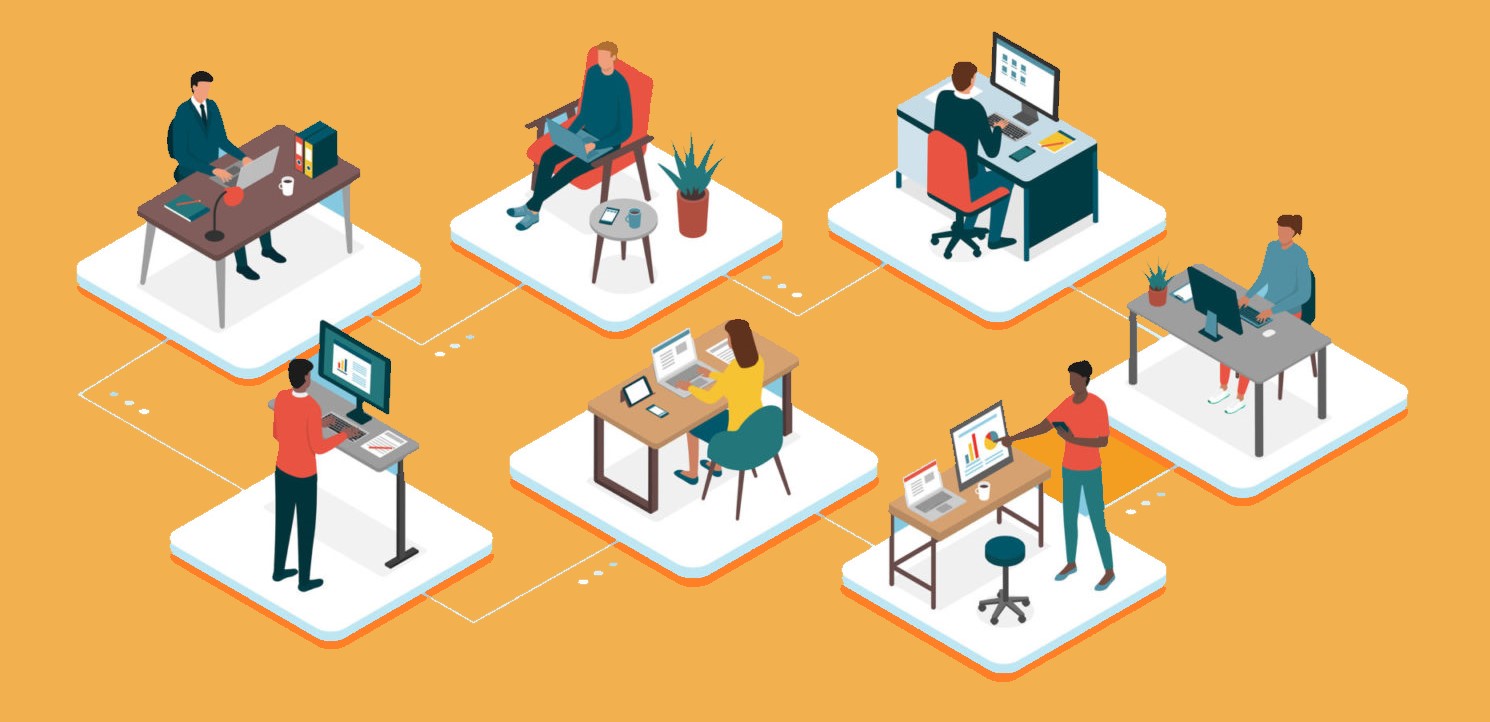
In this new landscape IT managers are dealing with the managing assets and logistics at every stage of a device’s life cycle. The necessity to cater to the demands of hybrid and remote workers is the driving force behind this shift. As a result, it is becoming imperative for companies to implement efficient solutions. Managed Desktop Service has emerged as a game changer.
Remote work is supported by Managed Desktop Services
Managed Desktop Service (or MDS) is a complete software solution that is created to streamline the management of the devices of users. This service is a valuable asset for IT managers as it offers a holistic solution for device provisioning and maintenance. Here’s how Managed Desktop Service is helping organizations navigate the challenges of remote work:
Enhanced Experience for End-Users: The main objective of Managed Desktop Service, is to improve the experience of users. It addresses common pain points that remote workers experience like delayed equipment onboarding, long software updates as well as slow repairs and replacements. In ensuring that employees have the right equipment and resources at their disposal at any time they need these, MDS can significantly improve employee satisfaction and productivity overall.
Managed Desktop Service streamlines the delivery of new computers to remote employees. With MDS businesses can quickly deploy laptops and other necessary equipment to new hires, making sure they are equipped with the equipment they require from the first day. This helps reduce the stress employees feel when they are forced to wait in line for their equipment or are delayed in their work.
Managed Desktop Service makes it easier for IT teams to update and patch software. It allows updates to be scheduled at periods that are not disruptive, which means employees don’t suffer disruption while performing critical tasks. This eliminates the possibility of employees facing interruptions during important meetings or video calls.
Quick Repairs and Replacing: In a workplace where remote workers work, timely repairs or replacements of malfunctioning equipment is essential. Managed Desktop Service providers have often established robust support systems to ensure employees receive prompt assistance if their devices experience problems. Not only does it reduce downtime but also increases the chance of cyber-attacks caused by the use in emergencies of personal devices or unprotected devices.
Cost-Efficiency: Organizations can lower costs by outsourcing the management device for the end-user to Managed Desktop Services providers. This approach eliminates in-house staff to manage devices. This also decreases the possibility of costly disruptions could occur due to obsolete equipment.
The impact on employee engagement and turnover
Employee retention and engagement are directly influenced by a smooth and efficient lifecycle management for devices. Employees who are unhappy by issues with devices may be more disengaged and could even look into opportunities to expand their business. The impact of inefficient DLM on employee engagement can be substantial.
Businesses who invest in Managed Desktop Service, and a Device Lifecycle Management Strategy can provide a stimulating and enjoyable work environment. Employees who have access the appropriate tools, experience fewer interruptions and receive timely assistance when problems arise are more likely to stay with their current employer. This reduces turnover as well as the training and recruitment expenses that accompany it.
Cybersecurity: Mitigating Risks
Companies are placing cybersecurity on the top of their priorities in the current day and age of remote working. If employees don’t have the proper devices management and are using their personal devices or devices that aren’t secured, which can pose the risk of security of the data and network of the organization.
Many Managed Desktop Service providers have robust cybersecurity protocols in place. They will ensure that all devices are equipped with the latest security patches and that data has been secured and encrypted. This proactive approach allows companies to reduce risks and ensure safe remote working environments.
Conclusion
It’s impossible to overstate the importance Managed Desktop Service (MDS) and Device Lifecycle Management in the ever-changing workplace. These services are crucial to companies who want to be able to adapt to the changing requirements of hybrid and remote work. By focussing on improving the user experience, streamlining the provisioning of devices and improving cybersecurity companies can increase productivity, decrease turnover, and create a secure and productive work environment in this new work environment. This isn’t just a response to the current times. Instead, it’s an important step toward an improved competitive future.