A receipt from the restaurant shows a patron drinking a variety of alcohol drinks. The customer was involved in a serious auto accident shortly after the incident. Receipts are crucial for an attorney who is investigating possible dram shops liability. The receipt does not necessarily establish that the restaurant served a clearly drunk client or that employees did not adhere to the proper procedure. There’s a chance that the evidence will be more compelling depending on what happened in between drinks orders.
To understand the flow of events, examine the alcohol service as part of a real hospitality service. You cannot simply count drinks after an incident.
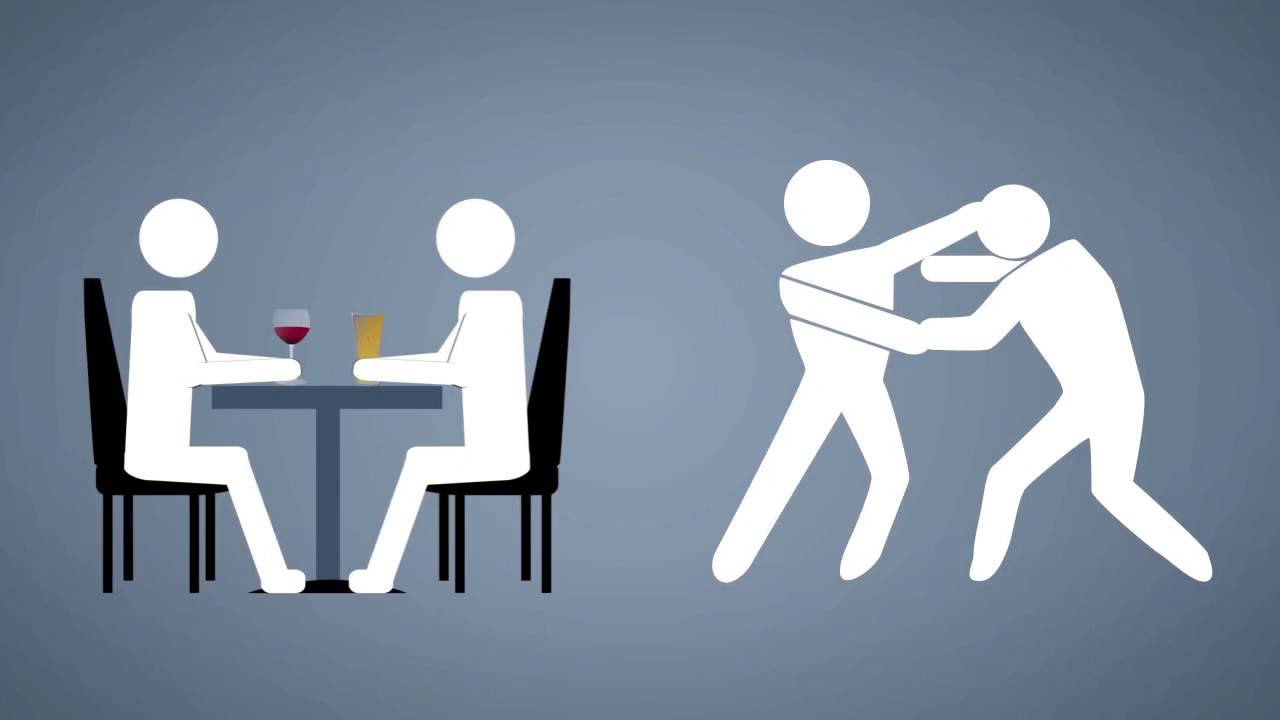
A receipt records a sale not the status of a client
The records at the point of sale can reveal when transactions took place, what beverages were purchased, and what charges were added to the bill.
The receipt may not reveal the manner in which the drinks were ordered. It is not always possible to determine who consumed the drink, even if they were shared or what the bartender noticed.
A qualified Expert Witness will assist lawyers in understanding the records, along with video surveillance, witness testimony of employees and any other evidence that is available. The goal is to reconstruct the sequence of service without assuming that every purchase is the whole story.
What could employees actually observe?
In a number of disputes concerning alcohol service, the central question is whether the staff had any reason to suspect that a customer was drunk. The relevant observations might include impairment in coordination, abnormal speech or speech patterns, difficulties maintaining equilibrium or observable behavioral changes.
But these indicators need context. Any single action recorded on surveillance video could have a reason that isn’t related to alcohol. Investigators must also consider camera angles, quality of recording as well as the positions of employees, and whether a particular act would have been seen by staff members.
Preston Rideout has experience as manager of a nightclub as well as bar manager director of bar operations, and bartender. His experience in operations helps him connect recorded evidence to the responsibilities and limitations of staff who work in hectic hospitality establishments.
Written Training Doesn’t Always Describe Real Practice
The majority of alcohol-related investigations revolve around questions about employee preparation. Did the establishment offer server-seller training? Did the establishment instruct employees to detect signs of intoxication? Management was clear on the reasons for refusing to offer any additional services?
These questions are central to Responsible alcohol service service, but reviewing training certificates alone may not answer them.
A business could have in-depth policies, but fail to consistently implement them. Conversely, employees may have followed recognized service practices even though the final outcome was devastating.
A review of operations takes into account training materials and employee testimony. Also, it considers the oversight of management as well as the actions that were documented in the incident. Both plaintiffs and defense attorneys can benefit from a distinction between the existence of an actual policy and its implementation.
Timeline often sheds light on important questions
Consider a patron who receives drinks from a variety of bartenders throughout an evening of crowded. The first employee may be aware of a typical behaviour. Following a shift switch another bartender could serve a different drink. The manager could have intervened in the future.
If you don’t reconstruct the timeline these decisions may seem to be one continuous action of service. Examining all the information including transaction records, schedules of staffing, as well surveillance footage and the incident report together, will reveal who was in charge and when. It’s better to know whether there’s missing documents or footage instead of guessing.
The issues surrounding legal liability and industrial practice are two different issues.
Hospitality professionals can explain and evaluate if a venue adheres to the accepted operating procedures.
These laws don’t replace the ability of a judge to determine legal responsibility. There are various laws for each state on the legal responsibility of alcohol retailers.
Rideout Hospitality Consulting assists plaintiff and defendant lawyers across the United States with review of the case, analysis of operations, written opinions, and depositions. Its services focus on alcohol-related decisions and staff training.
The most robust analyses can provide a reason for what the evidence doesn’t show
The gravity of an alcohol-related event cannot be a conclusive indicator of the previous circumstances.
The attorney must understand the documents available, their limitations, and the expectations of employees under the conditions.
An analysis of hospitality is a thorough way to discern assumptions from actions documented and determine if the location’s procedures were in line with accepted standards or not. The courts are then able to assess the actual event instead of relying solely on the information they gathered later.